
How to Remove Mould from Bathrooms Before It Spreads
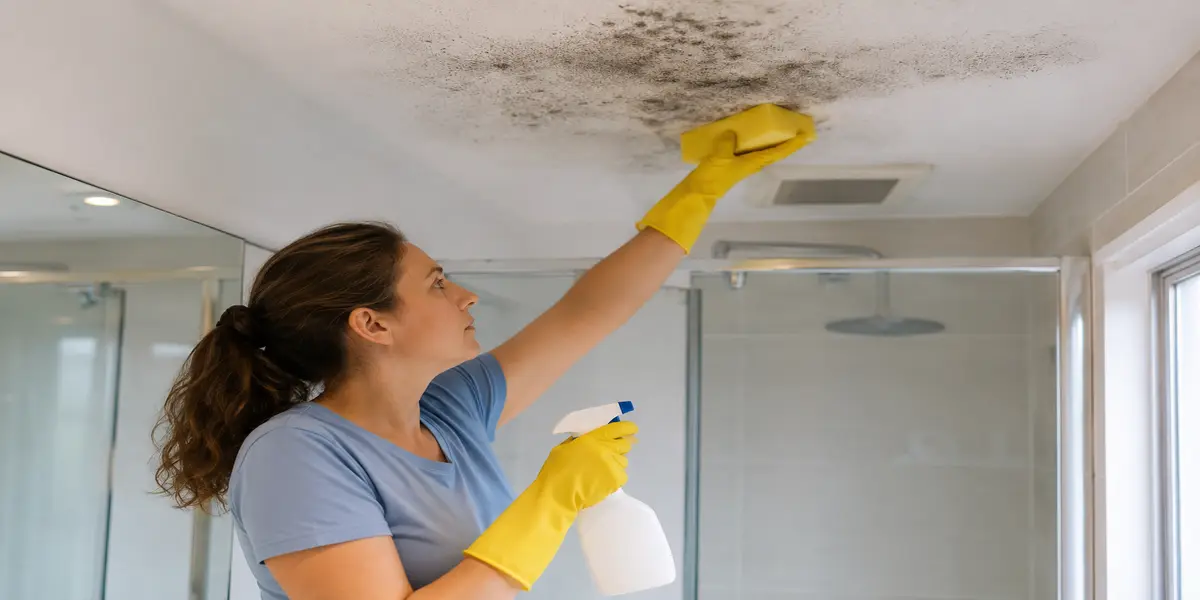
Remove Mould from Bathrooms Before It Starts Spreading
Bathrooms are the best candidates for mould, since they are the most utilised rooms in any house. Warm air, constant moisture, steam and poor ventilation are excellent mould growing conditions. What starts as a few tiny black spots in your grout, seal or around corners can expand out really quickly if you do nothing and will eventually damage the look and feel of your bathroom surfaces. Australian homes really do get mould from time to time.
Moisture accumulates on the bathroom ceiling during humid times or whenever the bathroom has been left wet for an excessive period of time. Rising steam produces mould on the ceilings of many bathrooms, but the majority of occupants don’t even realize there’s moisture accumulation from the steam.
The good news is that you can prevent the growth and spread of mould with proper and quick action. People can become ill by being exposed to mould; therefore getting assisted in remove mould from bathrooms will not only help prevent the growth of mould, but also have a positive impact on the health and cleanliness of your home as well as providing a pleasant, fresh scent throughout your residence. In addition, quick assistance with removing mould will help to keep you from incurring expensive repairs in the future.
Table of Contents
Understand Why Mould Appears
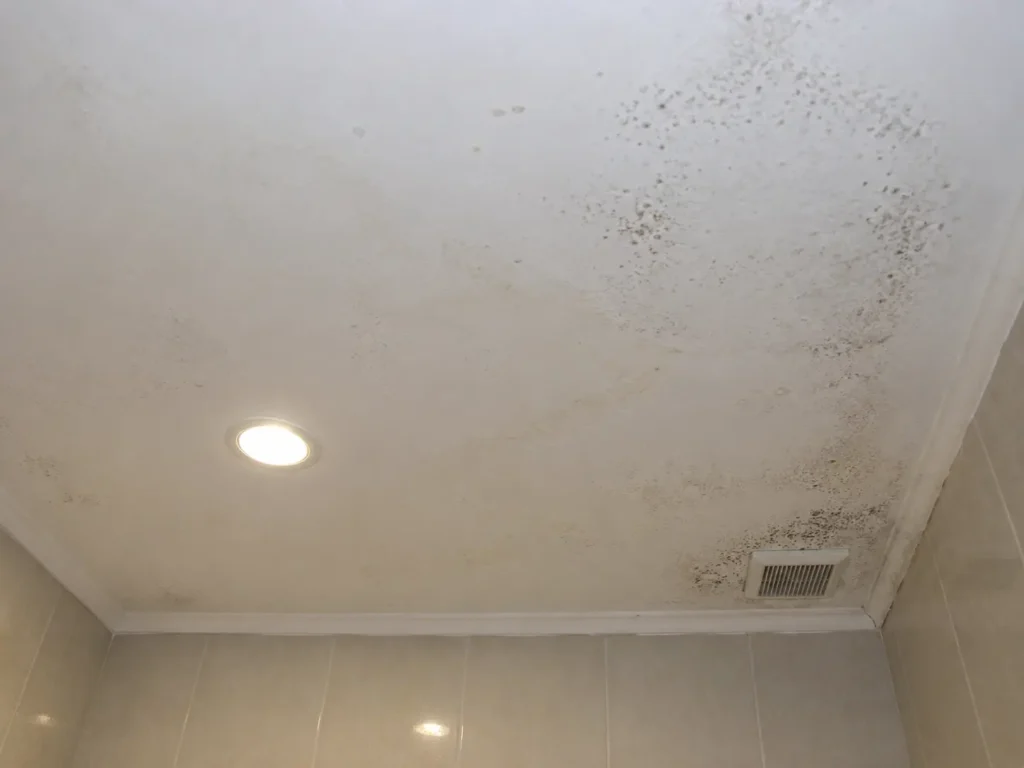
It would be wise to know what combination of conditions will allow for the growth of mould before attempting to remove it. The combination of hot showers, baths, and general use of bathrooms, creates a lot of moisture in bathrooms. If moisture does not evaporate quickly enough, there can be enough water on the surface of an area to allow mould spores to settle and begin to grow. Grout lines, corners of showers, silicone seals around windows and ceilings, are all areas where you can usually see signs of mould growth first.
In Australia, the ceiling in bathrooms is one of the most common places for mould to occur because the rising warm air can condense on the ceiling. Once you identify where moisture is trapped and dry these surfaces, you can correct the sources of the mould instead of having to continue cleaning the same areas repeatedly.
Prepare Before Cleaning
A smooth cleaning happens when there is sufficient preparation to make the work safer and more efficient. Safety measures can be included into the cleaning job before commencing. Before you start doing the cleaning, determine that there is good ventilation in the area prior to engaging in cleaning. If there are any ventilation fans, turn them on, and open some windows to allow air to flow through the area being cleaned.
Put on protective gloves and select cloths or soft brushes which will not harm the bathroom surfaces.A mild bathroom mould solution will help to break down the accumulation without doing undue damage. Good prep work also means you’re less likely to send mould spores flying through the air and that you ease some of the burden of the cleanup.
Bathroom Mould Cleaning Essentials
| Item | Purpose |
| Protective Gloves | Reduce skin contact |
| Soft Cleaning Cloth | Wipe moisture safely |
| Gentle Brush | Clean corners and grout |
| Cleaning Solution | Lift mould buildup |
| Ventilation | Improve airflow |
Good preparation often leads to better long-term results.
Clean Mould The Right Way
Many individuals incorrectly engage in aggressive scrubbing of dry mould, resulting in an increased amount of spores spreading and causing further harm to the area in question. A more effective method of removal is to first lightly dampen the affected areas and follow with an approved disinfectant. Allowing approximately 2 minutes of time for the surface to absorb the disinfectant will assist with the disinfection process.
Once the two-minute mark is reached, it’s perfectly okay to take a cloth or a brush and scrub the surface thoroughly. One strategy is to first clean the top part of the surface and then move on to the lower parts. For persistent mould problems or larger affected areas, many homeowners choose to rely on reliable cleaning experts to ensure safe removal and better long-term prevention.
Once the cleaning is done, you should make sure that the surfaces are thoroughly dried; this will aid in stopping any mould from growing again. Apart from accidental injuries to your body, the most dangerous consequence of using a bleach solution to kill your home mould is mould resurgent. In reality, the only sure-fire means of eradication is to keep the environment so dry and clean as not to be able to sustain the growth of the mould. Following a good and thorough wiping down with a cleaning solution and scrubbing the mould with a brush, it is wise to enhance this cleaning process and to conduct it with persistence and in a friendly manner as well.
Pay Attention To Ceilings
Towelling off the ceiling isn’t important for disinfection, but when the aerosols generated during scrubbing dry, they will float up to the ceiling and settle on that surface. Because steam naturally rises after showers, mould in the bathroom ceiling may appear gradually and remain unnoticed until visible discoloration develops. For the routine check, look at the corners, above the shower enclosures, and around the vents. Be careful when cleaning overhead and do not soak the surfaces too much. Tough stains, paint peeling off and mould coming back are indications of moisture problems in your walls which may be hidden and require your attention.
Ceiling Warning Signs
| Sign | Possible Cause |
| Dark Marks | Moisture accumulation |
| Paint Peeling | Ongoing dampness |
| Musty Smell | Hidden mould |
| Surface Discolouration | Poor ventilation |
Checking ceilings regularly can prevent larger cleaning and repair projects later.
Improve Bathroom Airflow
Mould removal is only the first part of the solution. Once moisture builds up, it is easy for mould to re-appear, and it is important to use proper ventilation to limit the amount of moisture in your home. For example, after you shower, you can try opening up all of the windows in that room and also keep the bathroom door wide open for a period of time so that the humidity will decrease.As for warm air, you should keep the exhaust fan working for some time after showering.Drying shower stalls naturally also makes for a less mould-prone environment. Better ventilation promotes not only clean surfaces but also a fresher bathroom environment.
Reduce Future Moisture
In fact, it is highly advisable to prevent mould growth rather than remove it after several times of its growth. Quite often, small habit-related changes done on a daily basis really do add up to a big difference. Drying a physically wet surface by hand is the most effective way to get rid of moisture every time that surface is a part of some process. To deal with one of the major causes of mould growth, a leak should be fixed as soon as possible. Bathroom fabrics and other textiles need to be kept clean at all times to prevent the formation of mould.
Besides preventing that trapped moisture, altogether these are the ways that a person can get rid of conditions that promote mould growth. In theory, a bathroom does not have to be totally dry all the time, but reducing moisture levels on surfaces like walls, ceilings and fixtures will lead to fewer occurrences of problems. Simple habit changes of this nature result in not just saving cleaning time but also avoiding the expense of future repairs.
Know When Help Is Needed
To reduce mould, a basic cleaning will usually not help remove any mould from your home.You have tried to clean the mould but it is still there, or the mould area is increasing rapidly, giving out a bad smell and you think it is also growing under the painted surfaces, then you may be looking for a professional to help you with your mould issue. Cleaning only the visible area of the mould and the problem returning could be indicating that there are hidden sources of moisture and old air that are not done just by cleaning the surface.Knowing that extra help is necessary can stop extensive damage and lower continuous care.
Build Better Cleaning Habits
These are some of the regular everyday things that, if done collectively, can work as long term reliable prevention against mould. For example, regular cleaning of the bathroom, checking the ceiling once a month, maintaining proper ventilation, and wiping the wet surfaces would make a healthier environment in the house.Besides visible mould, the minor upkeep work habitually done can prevent the big cleaning undertaking. Acquiring the knowledge of bathroom mould removal and sticking to good habits can assist in forming a fresher bathroom that will be more manageable with time.
Conclusion
One of the ways mould could be the one that starts as a minor beauty issue, but it will be quite a fast-spreader when the moisture remains untreated. Being aware of how to remove the mould from the bathroom properly and effectively will help you to have cleaner surfaces and a healthier home environment to some extent. On the contrary, some parts of the house, like a bathroom ceiling that has a lot of mould, could be damaged greatly without our realising it and doing so,
we have A lot to cut down on the subsequent cleaning work. Much like what tenants commonly miss before moving out?”, small details can often make a big difference. Anyway, if you manage to do regular cleaning, open windows, and take prompt action, you are very likely to be fresher and less dirty and that’s why, more comfortable for the whole year, even in Australian homes.
Related Posts
7 Things to Avoid Cleaning With a Magic Eraser
Have you ever worked with a magic eraser and could not believe how fast it…
The Ultimate Guide to a Clean and Clog-Free Drain
Have you ever questioned yourself as to why your sink or shower takes ages to…
How to Clean Marble Counter for Bond Cleaning Inspection?
Marble countertops look beautiful in our kitchen and increase the show of our kitchen. But…